

What to see in Naples in 5 days: city, Pompeii and Mount Vesuvius
Naples is not a city to be viewed as if it were neatly arranged inside a display case. You hear it in its streets, taste it at its tables and understand it better when the historic centre, Pompeii and Mount Vesuvius become part of the same story.
Five days allow you to discover its striking contrasts without turning the trip into a race: Baroque churches and contemporary stations, palaces and markets, archaeology, volcanic landscapes and food that deserves time of its own.
This itinerary answers a very specific question —what to see in Naples in 5 days— with routes grouped by area, genuine breaks and alternatives for days when the weather prevents access to Mount Vesuvius.
What to know before planning five days
- Where it is
- In Campania, southern Italy, overlooking the Bay of Naples and beneath the outline of Mount Vesuvius.
- Why it is famous
- For its historic centre, Neapolitan pizza tradition, archaeological collections and proximity to Pompeii, Herculaneum and Mount Vesuvius.
- What we will see
- Spaccanapoli, the Cathedral, Santa Chiara, the National Archaeological Museum, the Spanish Quarter, the seafront, Pompeii and the Gran Cono trail if conditions allow access.
- Recommended time
- Five full days. If arrival or departure takes up half a day, move the lightest section to the first or final day.
- Pace
- Moderate, with two more demanding days. Pompeii involves several hours of walking over uneven surfaces, while Vesuvius adds gradients and volcanic terrain.
- Essentials
- Shoes with good grip, water, sun protection or waterproof clothing depending on the season, layers and advance tickets whenever required.
A 5-day Naples, Pompeii and Mount Vesuvius itinerary
The table groups visits by area and includes genuine recovery time. Timings are suggestions: weather, visitor numbers, bookings and the location of your accommodation may alter them.
| Day | Area and main sights | Suggested time | Pace and rest |
|---|---|---|---|
| Day 1 Historic centre | Cathedral, Via dei Tribunali, Sansevero or Santa Chiara, Spaccanapoli and Piazza del Gesù. | 6–7 hours including lunch and coffee breaks. | Moderate pace. Take a long break at lunchtime and avoid adding a large museum. |
| Day 2 Pompeii | An archaeological excursion focused on the main areas, followed by an unhurried return to Naples. | A long half-day or a full day including travel. | Moderate-high pace. Uneven ground, limited rest during the visit and exposure to sun or rain. |
| Day 3 Vesuvius and flexible plan | Gran Cono with advance booking; Herculaneum or an indoor alternative if access closes. | Between 5 and 8 hours depending on the combination and transport. | High pace with Vesuvius; moderate if replaced by a museum or city visit. |
| Day 4 Culture and underground Naples | National Archaeological Museum, Galleria Borbonica or Napoli Sotterranea, plus a food break. | 6 hours divided between two visits. | Moderate pace. Leave time between activities and check accessibility in underground sites. |
| Day 5 Neighbourhoods and the bay | Via Toledo, the Spanish Quarter, Galleria Umberto I, Santa Lucia and the seafront. | 5–6 hours, adaptable to your departure. | Low-moderate pace. Designed for an unhurried walk with time for shopping or transfers. |
The ancient city
Narrow streets, churches, courtyards and everyday life.
Pompeii
A Roman city frozen by the eruption of AD 79.
The volcano
Scenery, gradients and a prepared alternative plan.
The layers
Archaeology, tunnels and memory beneath the city.
The bay
Popular neighbourhoods, architecture and a sea horizon.
The historic centre: Naples before the excursions
Start at the Cathedral and Via dei Tribunali
Begin early at the Cathedral before heading into the heart of the old city. Via dei Tribunali connects churches, workshops, street shrines and small shops without lengthy journeys. Walk carefully: pavements are narrow and traffic is part of the local rhythm.
Choose one main visit
The Sansevero Chapel normally requires advance booking; the Santa Chiara complex offers a different, more open experience. Do not rush through both. Afterwards, sit down for lunch or take a long break before continuing.
Follow Spaccanapoli to Piazza del Gesù
The Spaccanapoli axis reveals the city as a succession of Greek, Roman, medieval and Baroque layers. End the afternoon in Piazza del Gesù or Piazza Bellini and keep the evening free: it is worth arriving at Pompeii well rested the following day.

A city you also discover by looking upwards
Balconies, hanging laundry, street shrines and overlapping façades are as much a part of the Neapolitan landscape as its major monuments. Walking through the historic centre reveals a lived-in, noisy city filled with detail.
You do not need to search for one particular street to find this atmosphere. The best approach is to take your time, respect residents and passing vehicles, and stop only where you will not obstruct everyday neighbourhood life.
Pompeii: time to look, not merely to arrive
Pompeii deserves a substantial time slot. Around four or five hours allow you to explore a reasonable selection of streets, homes, baths, forums and public spaces, but not the entire site. Include travel, entry and a food break when planning the day.
Check your ticket, entrance and the season
The official website publishes different opening hours by season, sets a final admission time and recommends advance purchase. Tickets are issued in the visitor’s name and the site may introduce daily visitor limits. Check the information the day before, especially around public holidays.
Plan a short route with clear priorities
The Forum, baths, selected houses and amphitheatre help communicate the city’s scale, but individual buildings may open and close. Follow current signs and use the official map. If you need a route with fewer barriers, check the facilitated “Pompeii for All” itinerary and confirm its current conditions.
Do not schedule another demanding visit
After several hours on uneven stone, an early dinner and a short walk usually work better than another museum. This break is part of the itinerary: it protects the energy you will need for Vesuvius or its alternative.
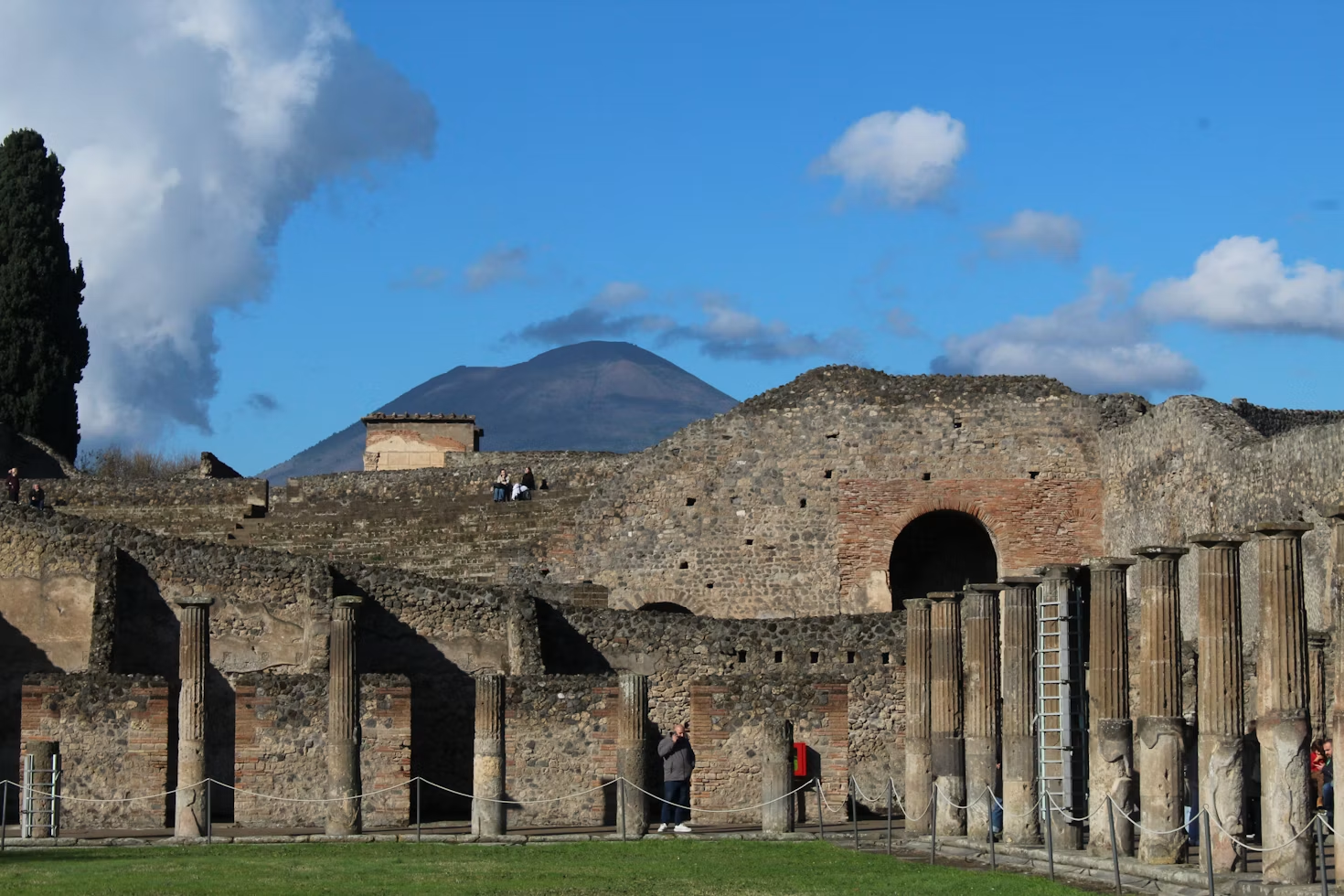
Pompeii needs time to reveal its scale
The paved streets, columns and homes make it possible to imagine how a complete Roman city functioned. Mount Vesuvius in the background restores the historical dimension that explains its preservation.
Rather than trying to reach every point on the map, choose several representative spaces and leave time to observe mosaics, fountains, raised crossings and urban perspectives. This choice improves the visit and reduces fatigue.
Mount Vesuvius, with room to change your plans
Climbing the Gran Cono is not an activity to improvise. Access requires an advance online ticket, operates in timed slots and may close because of weather alerts or safety conditions. The route includes gradients and ground formed from ash and lapilli, so stable footwear and suitable clothing are essential.
The park uses seasonal opening hours and states that the shortest route can take up to two hours for the return journey. Travel to the access point must be added to this. Do not schedule a tightly timed booking immediately afterwards.
Dedicate the morning to the Gran Cono
Leave plenty of time, respect your admission slot and follow park staff instructions. Views depend on visibility, so the excursion is also valuable as a walk through an active volcanic landscape and a way to understand its relationship with the surrounding area.
Decide according to your energy
Herculaneum can add archaeological context, but combining both visits creates an intense day. If you need to rest, return to Naples and save Herculaneum for another trip: five days do not require you to see everything.

The landscape changes as the trail climbs
Vegetation gradually gives way to ash, lapilli and more exposed slopes. The terrain explains why a seemingly short route can demand more effort than expected, particularly in wind, heat or poor visibility.
The experience is not only about reaching the highest permitted point. The path, views across the bay and the relationship between the volcano and surrounding towns are an essential part of the visit.
Vesuvius: plan A for good weather, plan B when conditions change
Check the forecast, official alerts and access status the day before and again that morning. An alert may close the trail even if the sky in Naples does not appear particularly threatening.
Climb the Gran Cono
Online ticket purchased, transport checked, shoes with good grip, water and layered clothing. Keep the rest of the morning clear and avoid booking another activity without sufficient time between them.
History indoors
Move the National Archaeological Museum, an underground visit or a food experience to day 3. If the weather improves, swap this section with day 4; do not force the climb.
- Buy your ticket only through the channels indicated by the park.
- Check the regional weather alert and official access notices.
- Do not confuse a transport reservation with admission to the trail.
- Keep day 4 flexible enough to swap activities.
The park states that tickets are sold exclusively online, uses seasonal opening hours and automatically closes the trail from orange alert level. Check current conditions on the official Gran Cono page.
The Archaeological Museum and the Naples beneath Naples
Put Pompeii into context at MANN
The National Archaeological Museum of Naples holds collections that are fundamental to understanding the cities around Vesuvius. After walking through Pompeii, mosaics, sculptures and everyday objects stop feeling like isolated pieces and regain some of their original context.
Take a genuine break
A large museum demands attention. Avoid heading straight into another guided visit: leave time to eat, sit down and travel without rushing. If your Vesuvius day changed because of the weather, this is the easiest section to swap.
Choose one underground experience
Galleria Borbonica and Napoli Sotterranea tell different chapters of the city’s story. Compare the route, duration, stairs, confined spaces and accessibility conditions before booking. One experience is enough to keep the day balanced.
Via Toledo, the Spanish Quarter and the seafront
Walk along Via Toledo and into the Spanish Quarter
Begin on one of the city’s major shopping streets before entering the Spanish Quarter. This is not a film set: observe its shrines, shops and streets without blocking doorways or taking close-up photographs of residents without permission.
From Galleria Umberto I to Piazza del Plebiscito
This section links monumental architecture, cafés and open spaces. If you have luggage or an onward transfer, shorten the route and avoid fixed-time bookings too close to departure.
Say goodbye beside the bay
Continue towards Santa Lucia and the area around Castel dell’Ovo when access and ongoing works allow. The seafront offers a calmer ending than another list of monuments and brings Mount Vesuvius back onto the journey’s horizon.
Travel times and margins worth allowing
The following are planning margins, not guaranteed timetables. Check official operators shortly before travelling and allow extra time for connections, queues and entrances.
| Journey | Practical option | Recommended margin | What to check |
|---|---|---|---|
| Central Naples | Walking and metro, grouping each day by neighbourhood. | Add 15–20 minutes between bookings. | Works, station accessibility and services running that day. |
| Naples–Pompeii | Metropolitan or regional rail services depending on your chosen entrance. | Allow approximately one hour each way, including waiting and the walk to the entrance. | Departure station, correct stop, final return service and the specific site entrance. |
| Naples–Vesuvius | A combination of train and authorised transport, an organised excursion or a vehicle with advance planning. | Set aside at least a long half-day. | Trail ticket, time slot, final connection, park notices and weather conditions. |
| Naples–Herculaneum | Metropolitan train followed by a walk from the station. | Allow extra time if combining it with Vesuvius. | Archaeological site hours and return transport. |
| Airport–city centre | Dedicated city bus, authorised taxi or pre-booked transfer. | Increase the margin during peak hours. | Best stop, luggage, traffic and fare conditions. |
Which day demands the most and where to rest
Historic centre · Moderate
Cobbles, traffic, stairs and many hours on your feet. Balance it with a long lunch and just one main indoor visit.
Pompeii · Moderate-high
Uneven surfaces and exposure to the weather. Carry water and do not assess the effort by distance alone.
Vesuvius · High
The official route may be classified as easy, but gradients, altitude, loose ground and wind make it more demanding for some visitors.
Museums and underground sites · Moderate
You can regulate your pace in the museum. Underground routes may involve stairs and confined spaces: check the format before booking.
Neighbourhoods and seafront · Low-moderate
This is the easiest day to shorten, extend or adapt to your departure time.
The balance rule
After Pompeii or Vesuvius, keep the evening free. A well-designed trip does not need to fill every hour.
What to eat in Naples without turning it into a checklist
Food should not be relegated to gaps in the itinerary. Reserve time for at least one unhurried experience and choose simpler specialities on excursion days.
Naples through an LGBTQ+ lens
Naples is an intense and sociable city, but a respectful experience does not depend on labelling every neighbourhood as an LGBTQ+ district. The local scene changes with events, venues and the season, so it is better to check current listings than rely on venue lists that may quickly become outdated.
In a group, the difference also lies in being able to share time, excursions and dinners with people who do not expect explanations about who you are. That does not turn the trip into a dating product or guarantee friendships: it creates a framework for travelling together while everyone keeps their own space.
Frequently asked questions about five days in Naples
Are five days enough for Naples, Pompeii and Mount Vesuvius?
Yes, provided you prioritise areas and accept that not everything will fit. This itinerary dedicates three days to the city and two to excursions, with room to swap activities according to the weather.
Can you visit Pompeii and Mount Vesuvius on the same day?
It is possible with well-coordinated logistics, but it creates an intense day. On a five-day itinerary, separating them makes Pompeii more enjoyable and gives you an alternative if Vesuvius closes.
How long should you spend at Pompeii?
Allow around four or five hours for a selection of the main areas, plus travel and entry time. The archaeological site is far larger than it appears on a map.
Do you need to book Mount Vesuvius in advance?
Yes. The park states that Gran Cono admission is sold exclusively online and requires a timed slot. Check transport to the entrance separately: these are different bookings.
What happens in bad weather?
The trail may close because of weather alerts or safety conditions. Use the day for the Archaeological Museum, an underground visit or Herculaneum if conditions there are suitable, and swap sections of the itinerary whenever possible.
Is this itinerary suitable for travellers with reduced mobility?
Not every section is suitable. Pompeii has a facilitated route but still presents limitations; Vesuvius involves gradients and loose ground; and underground visits may include stairs. Check accessibility at every site before booking.
Is this five-day itinerary the programme for Apolo’s trip?
No. This is an editorial guide for planning a five-day stay. Apolo’s current trip has its own dates and programme. The visits, inclusions and conditions you book are only those published on the trip page and in your booking documentation.
Would you rather discover it with an LGBTQ+ group?
Explore Apolo’s next Naples and Pompeii departure, including the current itinerary, activity level, inclusions and booking conditions.
View the Naples and Pompeii group tripThis guide presents a five-day editorial itinerary and does not replace the commercial programme. The duration, visits, services and conditions applying to the trip are those shown on the current trip page and in the pre-contractual documentation provided before booking.