

Brussels at Christmas in 3 days: markets, neighbourhoods and food
Brussels changes pace when December arrives. Historic façades light up, the scent of spices and chocolate fills the centre and Winter Wonders turns a walk through the city into a succession of squares, stalls and encounters.
Three days are enough to combine the major sights with neighbourhoods that reveal a more everyday Brussels. This itinerary brings together Grand-Place, the Christmas atmosphere, Sainte-Catherine, Marolles, Sablon, the European Quarter and the LGBTQ+ heart of Saint-Jacques, while leaving enough room to eat slowly and adapt the plan to the weather.
This is not an itinerary designed to tick off monuments at full speed. It is a guide to experiencing Brussels at Christmas in 3 days with a clear structure and enough flexibility to stop whenever a chocolate shop, market or conversation deserves more time.
If you would like to discover destinations with the same balance of culture, community and time to enjoy the journey at your own pace, explore our LGBTQ+ group trips.
The key to the trip: concentrate the historic centre and Winter Wonders on the first day, reserve the second for the neighbourhoods and dedicate the third to European Brussels. This reduces unnecessary journeys and avoids repeatedly crossing the centre at its busiest times.
What to know before organising your Christmas break
| Aspect | What you need to know |
|---|---|
| Location | In central Belgium. The historic centre, main stations and many of the places in this guide are connected on foot or by the urban transport network. |
| Why visit at Christmas | For Winter Wonders, the city-centre illuminations, Grand-Place, the markets and food that feels particularly appealing during the colder months. |
| What you'll see | Grand-Place, Galeries Royales Saint-Hubert, Mont des Arts, Sainte-Catherine, Marolles, Sablon, Saint-Jacques and the European Quarter. |
| Recommended time | Three full days. If your first or final day includes travel, adapt the itinerary and prioritise the sections that matter most to you. |
| Pace | Moderate. The centre is easy to explore on foot, but cold weather, cobbles, queues and Christmas crowds can slow the day down. |
| Essentials | Layered clothing, waterproof shoes with good grip, a compact umbrella, power bank and enough flexibility to change plans if it rains. |
Winter Wonders 2026: dates and current information
27 November 2026 — 3 January 2027
Dates: confirmed by the organisers.
General opening hours: yet to be published.
Programme and map: due to be announced in November 2026.
Last reviewed: 19 September 2026.
Check the latest information on the official Winter Wonders website. Do not reuse opening hours from previous editions: special closures and activities can change.
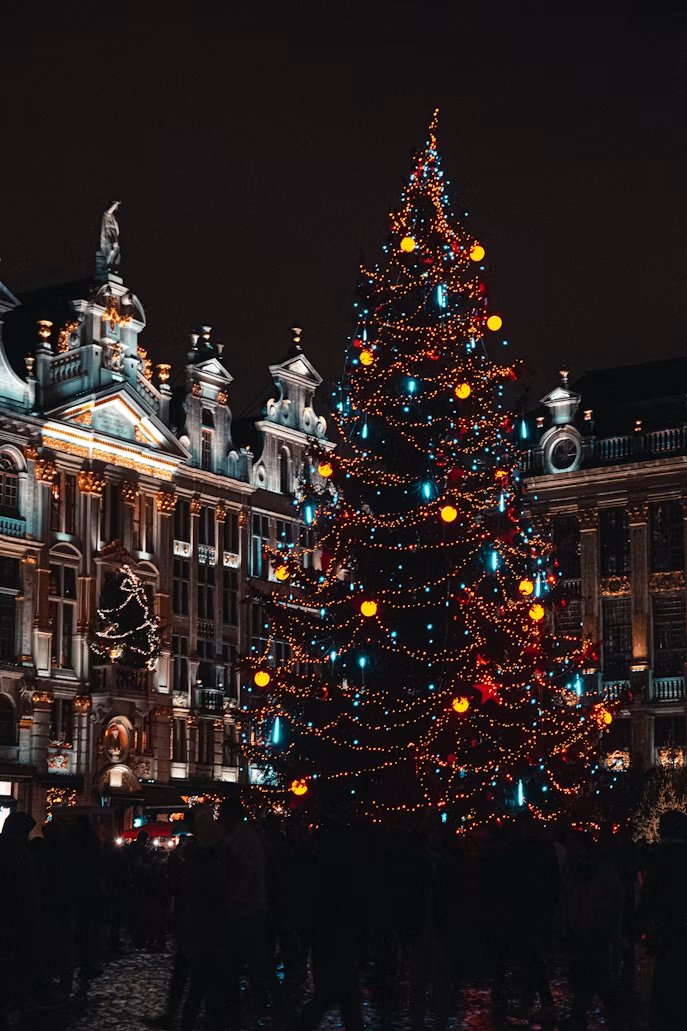
Grand-Place: a square worth visiting more than once
Your first visit is best made in the morning, when it is easier to observe the guildhall façades, Town Hall and Maison du Roi. The whole square changes after sunset, when the Christmas illuminations transform the architecture.
Returning at two different times is not simply repeating the same visit. Details are easier to appreciate by day; at night, the square becomes one of the main stages of Winter Wonders.
Grand-Place is also a good example of how heritage can add depth to an urban journey. For a broader look, explore World Heritage across our trips.
If that year's edition includes a light and sound show, check the official times before planning dinner. Performances may be changed or cancelled on special dates.
3-day Christmas itinerary for Brussels
The itinerary groups each day around nearby areas. Times are approximate and do not represent confirmed bookings or admission slots.
| Day | Morning | Midday and afternoon | Evening |
|---|---|---|---|
| Day 1 Historic centre | Grand-Place, Galeries Royales Saint-Hubert and Mont des Arts. | Belgian lunch, Bourse and your first walk through Winter Wonders. | City-centre illuminations, dinner and a walk through Saint-Jacques if you want to discover its LGBTQ+ atmosphere. |
| Day 2 Neighbourhoods and flavours | Jeu de Balle, Marolles and the Poelaert lift. | Sablon, chocolate shops and a walk towards Sainte-Catherine. | Markets at a slower pace, local food or a cultural plan depending on the programme. |
| Day 3 European Brussels | Parc de Bruxelles, the Royal Palace and European Quarter. | Parlamentarium or House of European History depending on opening and booking conditions. | Final purchases, chocolate and a return to the centre to say goodbye to Christmas in Brussels. |
- Day 1 · The postcard: start with monumental Brussels and discover the market as the lights come on.
- Day 2 · The lived-in city: combine neighbourhoods, antiques, chocolate and a second visit to the Christmas atmosphere.
- Day 3 · The European capital: change scale with parks, institutions and contemporary architecture.
Day 1: Grand-Place, galleries and the first Christmas lights
Morning · Start at Grand-Place
The square is the best starting point for understanding the historic scale of Brussels. Look at the guildhall façades, Town Hall and Maison du Roi before the crowds increase. From there, walk to the Galeries Royales Saint-Hubert, explore the shop windows and continue towards the cathedral or Mont des Arts.
Midday · Take a proper food break
Instead of eating on the move all day, make time for a seated lunch. Carbonnade flamande, stoemp and shrimp croquettes are traditional options; always check ingredients and allergens if you have specific dietary requirements.
Afternoon and evening · Discover Winter Wonders as the city lights up
Head towards Bourse and continue through the areas shown on the official map for that year's edition. The market is better enjoyed without trying to see everything at once: use the first evening to understand the route and return the following day to the stalls or attractions that genuinely interest you.
Galeries Royales Saint-Hubert
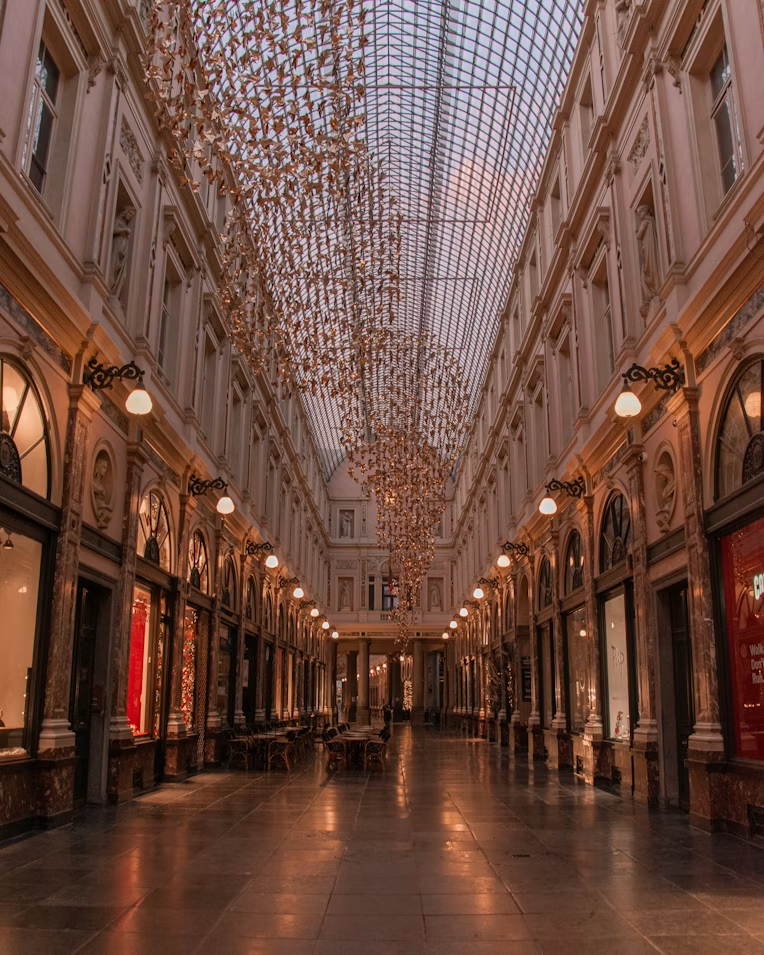
Just a few minutes from Grand-Place, these covered galleries allow you to continue exploring even when it rains. Their shop windows, cafés, bookshops and chocolate stores form part of the classic city-centre route.
At Christmas they acquire a particularly elegant atmosphere, although they can also become crowded around the middle of the day. Visit in the morning or use them as a break between the historic centre and Mont des Arts.
You do not need to turn the stop into a shopping session: simply walk through Galerie de la Reine and Galerie du Roi, look up at the glazed roof and let the city set the pace.
Day 2: Marolles, Sablon and Sainte-Catherine at a relaxed pace
Morning · Discover another side of Brussels in Marolles
The area around place du Jeu de Balle, its second-hand shops and the streets of Marolles reveal a less ceremonial side of the city. Continue uphill towards the Palais de Justice and use the Poelaert lift to overcome the change in level and enjoy an open view across Brussels.
Midday · Move from Sablon to Belgian chocolate
Sablon combines elegant architecture, antique dealers and chocolate shops. It is a good opportunity to compare chocolates and pralines rather than buying from the first window you see. If you want a tasting or workshop, book before travelling.
Afternoon and evening · Return to the Christmas atmosphere via Sainte-Catherine
Head back towards the centre following the official Winter Wonders route and adapt the afternoon to the weather. Alternate outdoor stalls with cafés, churches, galleries or nearby museums. For the evening, check the cultural and LGBTQ+ programme: events change and give a more realistic picture of the city than any fixed list.
Day 3: European Quarter, parks and a sweet farewell
Morning · Walk from royal Brussels to European Brussels
Start in Parc de Bruxelles and view the exterior of the Royal Palace before continuing towards the European Quarter. The change in architecture helps explain Brussels both as the Belgian capital and as a home to European institutions.
Midday · Choose one visit, not three
Parlamentarium and the House of European History both require time. Choose one according to your interests and check opening, access and booking requirements on their official websites. If you would rather stay outdoors, continue to Parc du Cinquantenaire.
Afternoon · Return to the centre with one clear objective
Use your final hours to buy chocolate, revisit your favourite corner or see something the weather forced you to postpone. Avoid filling this period with too many reservations if you have a train or flight: delays can occur in December and stations are particularly busy.
How to explore Brussels Christmas markets
Winter Wonders should not be understood as one enclosed market. The experience spreads through different parts of the centre and may include stalls, illuminations, attractions and cultural programming. The exact layout changes, so the official map for each edition is the correct reference.
Suggested route: Grand-Place → Bourse → Saint-Géry → Sainte-Catherine → De Brouckère. This sequence helps explain the main axis of the Christmas centre but does not replace the official Winter Wonders 2026 map. Locations, activities and access points may vary.
- Go twice: a visit around sunset lets you see the lights come on; another near opening time usually gives you more room to browse the stalls.
- Do not chase every chalet: choose crafts, food or attractions according to your interests. Trying to see everything can turn the walk into a race.
- Check special closures: 24 and 31 December often have different conditions, but the 2026 opening hours should be confirmed once published by the organisers.
- Use the official map: it is the most reliable way to check access, toilets, accessible routes, attractions and last-minute changes.
LGBTQ+ Brussels: from Saint-Jacques to cultural life
LGBTQ+ life in Brussels is not confined to a single street, although Saint-Jacques, very close to Grand-Place, contains some of the most visible spaces. The area includes bars, community initiatives and organisations such as RainbowHouse and Grands Carmes.
Its proximity to the historic centre means you can integrate it into the itinerary without changing the route: visit at the end of the first day or check the programme and choose a specific activity. Different spaces attract different crowds and atmospheres, so check current events and opening hours.
- Check the LGBTQ+ programme before travelling.
- Do not reduce the city's queer scene solely to nightlife.
- Respect the rules of each space and the privacy of the people who use it.
- Use the usual precautions in crowded areas and late at night.
Context based on the official LGBTQ+ guide from visit.brussels. Venues and events can change, so always confirm the latest information.
Alongside checking the local programme, understanding the context of each destination is part of travelling in an informed way as an LGBTQ+ person.
What to eat during a Christmas break
Cold weather encourages you to slow down, and food can help set the pace of the itinerary. Combine market stalls with establishments around the city: you do not have to try every local speciality in the same afternoon.

Chocolate, pralines and shop windows that also tell the story of the city
Brussels has a close relationship with chocolate: the filled praline and the ballotin, the box designed to protect it, were developed here. In the centre you will find everything from historic houses to small contemporary chocolatiers.
Compare cocoa percentages, fillings and formats before buying. A small, carefully chosen box is often a better souvenir than a rushed purchase at the busiest stall.
If you want to go deeper, book a tasting or workshop. On a three-day visit, it makes sense to integrate this into your Sablon or Galeries Royales route rather than making a separate journey.
| Speciality | What to expect |
|---|---|
| Brussels waffle | Rectangular, light and crisp on the outside. Try a simple version before adding toppings. |
| Chocolate and pralines | Brussels is closely linked to the development of pralines and the ballotin. Compare makers and formats before buying. |
| Speculoos | A spiced biscuit particularly associated with winter and easy to take home as a souvenir. |
| Stoemp | Mashed potato mixed with vegetables and served with different accompaniments; particularly comforting in cold weather. |
| Carbonnade flamande | Beef stew cooked with beer, normally served with potatoes. |
| Shrimp croquettes | A Brussels speciality with a creamy filling and crisp exterior. |
If you follow a vegetarian or vegan diet, have allergies or avoid alcohol, ask about ingredients and preparation. Beer may appear in sauces and some market stalls may not provide the same level of information as a restaurant.
Food reference: Brussels culinary specialities on visit.brussels.
Practical tips for visiting Brussels in December
- Group places by area: the historic centre, Marolles and the European Quarter work better as separate blocks. You will save unnecessary journeys and walk with a clearer purpose.
- Leave room for the weather: alternate outdoor and indoor activities. A museum, gallery or long break can rescue the day if it rains or becomes too cold.
- Book the sensitive parts: check popular restaurants, workshops, guided visits and timed-entry museums in advance.
- Walk, but do not force yourself: many distances are manageable on foot; use the metro, tram or bus when tiredness or weather makes it sensible.
- Protect your belongings: markets and stations can be very busy. Keep your phone and wallet in secure pockets and maintain control of your luggage.
- Check again before leaving: review the programme, special opening hours and transport incidents on the day itself, not only when planning the trip.
Frequently asked questions about Brussels at Christmas
Are three days enough to visit Brussels at Christmas?
Yes. They give you time to explore the historic centre, enjoy Winter Wonders, visit several neighbourhoods and spend part of a day in the European Quarter. They are not enough to see everything, so prioritisation helps.
When is Winter Wonders held in 2026?
The organisers announce the event from 27 November 2026 to 3 January 2027. The detailed programme and opening hours are due to be published in November 2026.
Are Brussels Christmas markets all in one place?
No. Winter Wonders extends across different parts of the city centre. Check the official map for the exact route, access points and attractions.
Do you need to book to visit the markets?
General access to the route is usually free, but some attractions, activities, visits or restaurants may require a ticket or reservation. Check each item in the official programme.
Where is Brussels' LGBTQ+ scene?
Saint-Jacques, close to Grand-Place, contains several visible venues and organisations such as RainbowHouse. The scene is broader and constantly changing, so check current listings.
Do you need to use public transport?
Much of the centre can be explored on foot. Public transport is useful for reaching the European Quarter, returning in bad weather or reducing tiredness. Check routes and disruptions on the official network.
What clothes should you take?
Layers, a coat suitable for cold and damp weather, comfortable waterproof footwear, gloves, a scarf and a compact umbrella. You will spend several hours alternating between outdoor and indoor spaces.